A giant OTR tire is not a commodity. Two tires with the same size marking can differ by thousands of operating hours depending on how they are built — and the datasheet tells you exactly how, if you know where to look.
Every quote we send lists the same five items. Here is what each one means, and how to use it to choose the right tire for your trucks.
1. The size code
The size is the first filter: it must match your rim and your machine’s approved fitments. On a radial ultra-class tire it reads like this:
- 40.00Section widthinches
- RConstructionradial
- 57Rim diameterinches
- ★★Star ratingcasing strength
- E4TRA coderock, deep tread
2. Star rating
The star rating describes the strength of the casing — how much load and inflation pressure it can carry. A ★★ tire carries more at the same pressure than a ★ tire of the same size, but runs stiffer and warmer.
“Choose the lowest star rating that safely carries your loaded weight — not the highest one on offer.”
— Senior tire engineer, GIANT-OTR
3. TRA code
The Tire & Rim Association code tells you the machine type (E = earthmover / haul truck, L = loader / dozer) and the tread type. The number matters most: it sets the tread depth relative to the standard rock tread.
| Code | Tread type | Typical use | Depth |
|---|---|---|---|
| E-3 | Rock | Standard depth | 100% |
| E-4 | Rock, deep tread | Haul trucks on abrasive rock | 150% |
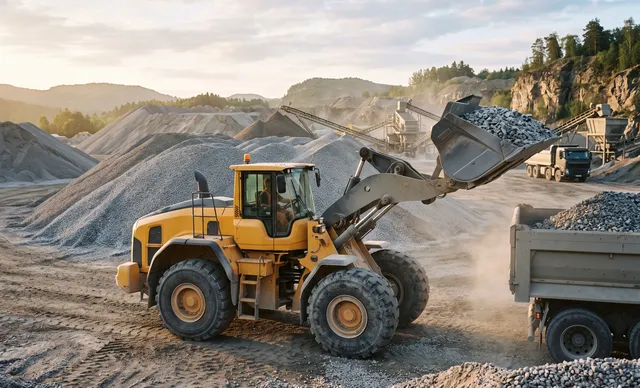
| L-4 | Rock, deep tread | Wheel loaders | 150% |
| L-5 | Rock, extra deep | Loaders on sharp rock, high cut risk | 250% |
Depth relative to the standard E-3 / L-3 rock tread.
4. Compound
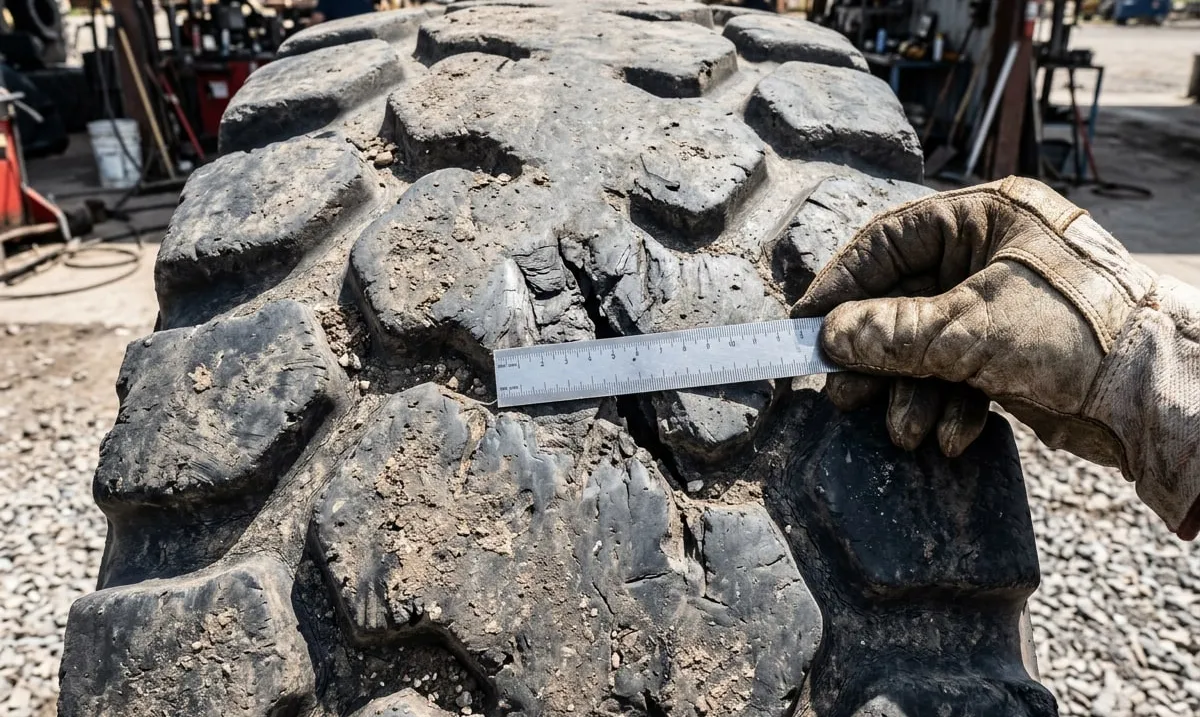
The same pattern is often offered in several rubber compounds. The right one depends on what kills your tires today:
- Cut-resistant — sharp rock, short hauls, loading areas
- Heat-resistant — long, fast, uphill hauls — high TKPH
- Standard / wear — well-maintained roads, balanced cycles
5. Putting it together
A 40.00R57 ★★ E4 in a cut-resistant compound is the typical choice for a 220–240 t truck working on abrasive rock. Change one variable — a longer, hotter haul, for example — and the right answer changes with it.
Key takeaways
- Size first: match the rim and the machine’s approved fitments.
- Lowest star rating that safely carries your load.
- E-4 / L-4 when cuts and abrasion end your tires early.
- Pick the compound for your failure mode: cuts, heat or wear.

 Chat on WhatsApp